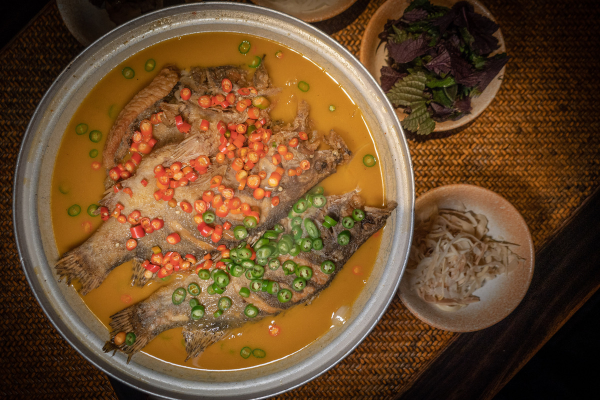
Hunan Cuisine
Introduction
Hunan Cuisine, also known as Xiang Cuisine, is one of the eight great traditions of Chinese cuisine, renowned for its vibrant flavors and diverse ingredients. Known for its spicy and aromatic flavors, Hunan cuisine is famous not only in China but increasingly across the globe. As a significant cultural symbol, it reflects the rich history and diverse ethnic heritage of Central China's Hunan province. Hunan cuisine is characterized by its hot and spicy tastes, fresh aromas, and colorful appearance, appealing to both local and international palates.
Historical Background
Hunan Cuisine has developed over hundreds of years, with its roots tracing back to the Han Dynasty (206 BC–220). It matured during the Ming (1368–1644) and Qing (1644–1912) dynasties. The culinary style has been greatly influenced by the region's humid climate, which necessitates the use of chili peppers and other spices as preservatives. Furthermore, the diversity of Hunan's natural resources, including abundant rivers and fertile lands, contributes to the rich variety of ingredients used in its dishes.
Characteristics and Ingredients
Hunan cuisine is distinct for its bold and spicy flavors, often incorporating chili peppers, garlic and shallots. Unlike Sichuan cuisine, which uses mouth-numbing Sichuan peppercorns, Hunan cuisine focuses on pure spiciness and heat. Typical ingredients include smoked and cured meats, fresh vegetables, and freshwater fish. Vinegar and pickling are also common methods of flavoring, adding a sour element to many dishes. The cuisine is celebrated for its ability to balance the five key flavors: salty, sour, spicy, sweet, and bitter.
Signature Dishes
Spicy Crayfish
A popular dish throughout China, spicy crayfish is a favorite in Hunan cuisine. The crayfish are typically stir-fried with a mixture of chili peppers, garlic, and a variety of spices to create a fiery, aromatic dish.
Mao Braised Pork
Named after Chairman Mao Zedong, who hailed from Hunan, this dish features succulent pork belly braised in soy sauce, sugar, and spices, leading to a rich, savory flavor.
Steamed Fish Head with Chopped Peppers
This dish is emblematic of Hunan's love for spicy food. The fish head is steamed with a generous amount of chopped red and green chili peppers, creating a vibrant and flavorful dish.
Stinky Tofu
This fermented tofu is known for its pungent smell but delicate texture and complex flavor, often served deep-fried with a spicy sauce.
Jinshi Beef Noodles
A traditional Hunan dish, Jinshi beef noodles are noted for their rich broth and tender slices of beef, accompanied by noodles and a blend of spices.
Cultural and Global Influence
Hunan cuisine is not only a reflection of the region's agricultural richness but also an expression of its cultural diversity. As one of the essential elements of Chinese culinary culture, it plays a significant role in promoting Chinese food worldwide. Hunan cuisine has made its mark internationally, with numerous restaurants dedicated to its flavors in major cities across the globe, including Melbourne, where it was recently showcased in a culinary tour to strengthen China-Australia cultural ties.
Culinary Innovation and Preservation
Hunan cuisine continues to evolve, incorporating modern cooking techniques and ingredients while preserving traditional methods. Chefs in Hunan and abroad experiment with fusion dishes that combine local ingredients with classic Hunan techniques, maintaining the cuisine's relevance and vibrancy. Initiatives such as the "Master's Dining Table" banquets and culinary programs on Hunan Satellite TV help preserve and promote the rich culinary heritage of Hunan, ensuring that both classic and contemporary Hunan dishes continue to captivate food lovers around the world.








